Mon-Thu: 8:30am - 7:30pm | Fri: 9am - 6pm | Sat: 8am - 3pm
-
 Free Parking Available
 - Wheelchair Access
- Close to Public Transport
 Free Parking Available
 Wheelchair Access
 Close to Public Transport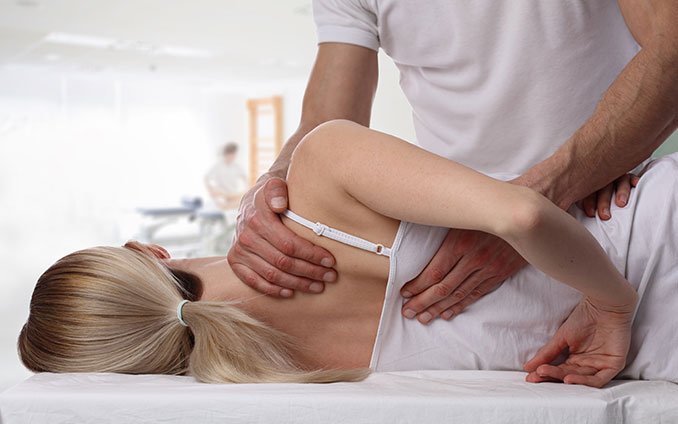
Recovering from a sports injury can be one of the most frustrating experiences for athletes at any level. Whether you’re a weekend runner, a gym enthusiast, a competitive player, or a dedicated “weekend warrior” hitting the local footy oval in Williamstown, injuries disrupt performance, training routines, and overall wellbeing.
Many athletes are no longer satisfied with masking pain or looking for immediate pain relief. Instead, they are looking to get to the root cause of their injuries and how to manage their body.to prevent recurrence and enhance performance.
This is why an increasing number of athletes are turning to osteopathy. Let’s take a look at why.
Osteopathy is founded on the principle that the body’s structure and function are interdependently linked. This holistic approach specialises in treating musculoskeletal problems that deals with the underlying problems rather than only treating the current symptoms.
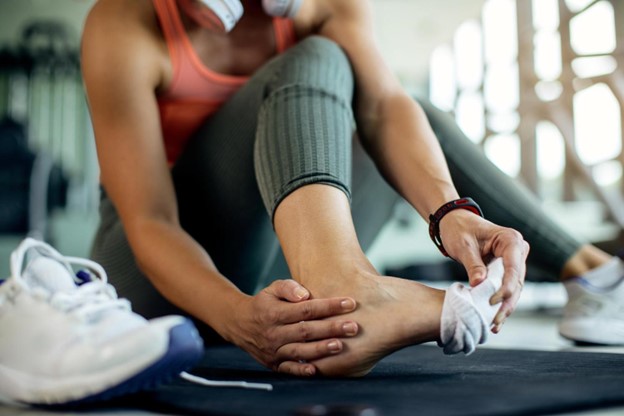
For an athlete, this means that a restricted ankle doesn’t just affect the foot; it alters the mechanics of the knee, the hip, and even the lower back. When one part of the kinetic chain is compromised, the rest of the body compensates, often leading to secondary injuries.
While traditional sports medicine might focus solely on the site of pain, an osteopath looks at the “why.” Why did that hamstring tear? Was it a lack of local strength, or was it a result of pelvic misalignment and restricted blood flow? This “whole-body” approach is why many athletes choose osteopathic care for sports injury recovery.
This whole-body philosophy sets it apart from symptom-focused treatments. Rather than relying solely on medication or surgery, osteopaths use gentle manipulation, soft-tissue techniques, and targeted exercises to restore balance, improve mobility, and stimulate the body’s natural healing processes.
A sports injury is any injury that occurs as a result of physical recreation, exercise, or training. Athletes subject their bodies to repetitive strain, high-impact forces, and extreme ranges of motion. At Hobsons Bay Osteopathy, we treat a diverse array of sports-related conditions, including:
The most common injuries that athletes get are usually caused by:
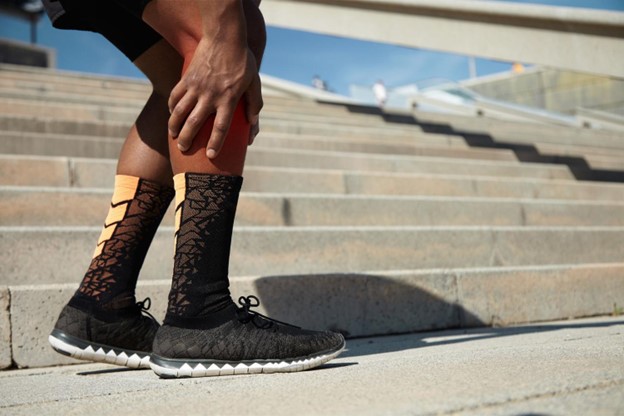
Overuse injuries can lead to inflammation in the nerves, tendons, and muscles, often developing gradually as repetitive strain builds over time. Some of these conditions are so common that they’ve been named after the sports that frequently cause them. You’ve likely heard of tennis elbow, golfer’s arm, and runner’s knee, even if you haven’t experienced them yourself.
Another well-known issue is delayed-onset muscle soreness (DOMS), a form of acute overuse injury. Those muscle aches that make it difficult to get out of bed a day or two after a strenuous workout are a classic sign of DOMS in action.
Some injuries can manifest long after the events that first caused them. Many retired athletes have developed osteoarthritis many years after retirement due to years of wear and tear on their knees, hips, or shoulders. Chronic back pain too may stem from countless small strains and minor injuries that accumulate over time, gradually leading to increased discomfort with age.
Acute injuries can cause damage to soft tissues or joints in an instant. Sprains, muscle strains, torn cartilage, and joint irritation often occur suddenly, typically as a result of impact, sudden movement, or improper technique.
Lower back pain is one of the most common reasons why athletes seek osteotherapy. As highlighted in our guide on the 10 most common causes of lower back pain, the lumbar spine acts as the powerhouse and stabiliser for almost every athletic movement.
For an athlete, back pain is rarely just “sore muscles.” It can stem from:
At Hobsons Bay Osteopathy, our osteopaths examine the posterior chain to identify which of these issues is at play. By addressing the underlying cause rather than just the symptom athletes can return to their sport and daily activities with a healthy spine that is resilient and capable of handling high loads.
The recovery journey following a sports injury is typically divided into three phases: the Acute Phase, the Rehabilitation Phase, and the Maintenance/Performance Phase.
Immediately following an injury, the body’s inflammatory response is triggered. While inflammation is a necessary part of healing, excessive swelling can limit range of motion and cause significant pain. Osteopaths use gentle manual techniques to encourage lymphatic drainage and improve blood flow, which helps the body clear inflammatory markers more efficiently.
Once the initial pain has subsided, the focus shifts to restoring mobility and strength. This is where the osteopathic “whole-body” lens becomes invaluable. If an athlete has a knee injury, the osteopath will ensure the hips and ankles are moving correctly to offload the knee joint during the healing process.
Techniques used during this phase may include:
The final goal of sports osteopathy isn’t just to get back to “normal” it’s to get back to “better.” By fine-tuning the body’s alignment and ensuring that all systems are working in harmony, osteopathy helps prevent the “revolving door” of injury. Athletes often find that after a course of osteopathic treatment, their agility, power, and endurance improve because their body is moving more economically.
Every athlete is different and every sport has its own unique demands on the body. A marathon runner requires a different treatment plan than a heavyweight powerlifter. Osteopaths take the time to conduct a thorough clinical assessment, looking at the athlete’s specific sport, training volume, and injury history. At Hobsons Bay Osteopathy, we pride ourselves on creating bespoke recovery plans that align with the athlete’s personal goals.
Osteopathy is unique in its emphasis on the “Rule of the Artery.” For a tissue to heal, it needs a rich supply of oxygenated blood and an efficient drainage of waste products. By removing obstructions like tight muscles or misaligned joints that might be compressing blood vessels or nerves, osteopaths facilitate the body’s innate ability to heal itself.
Osteopaths often work alongside coaches and personal trainers to aid an athlete’s recovery. By providing feedback on an athlete’s structural limitations, the osteopath helps the coach or PT tailor a strength program that avoids aggravating the injury while building necessary stability.
Tears and strains are debilitating, but being stuck on the sidelines with injury is just taxing mentally for any athlete. The uncertainty of not knowing when they can return to playing can lead to stress and frustration. Osteopaths understand their concerns and take a holistic view, they consider the impact of stress on the nervous system and muscle tension.
Through education and clear communication about the recovery timeline, osteopaths provide the psychological reassurance athletes need to stay focused on and committed to their rehabilitation.
Many athletes make the mistake of waiting until a “tweak” becomes a “tear.” We recommend seeing an osteopath if:
Like any minor issue, the longer you leave it, the worse it will get. The sooner you address the issue, the quicker it can be treated meaning less time on the sidelines.
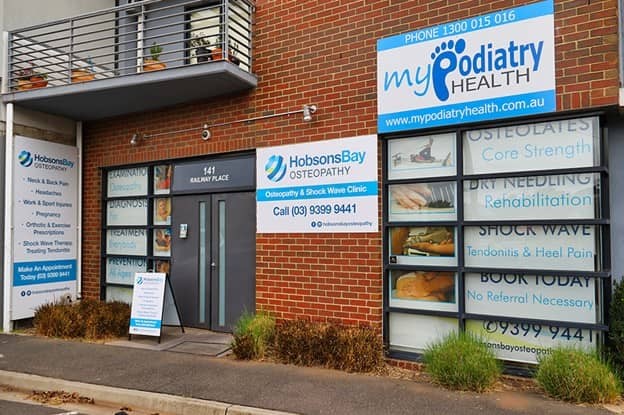
Located in the heart of the Williamstown community, Hobsons Bay Osteopathy is dedicated to helping local and professional athletes achieve their best.
Our practitioners are experts in treating sports-related conditions, from plantar fasciitis in Seaholme to back pain therapy in Footscray. We don’t just look at the injury, we look at the person behind the athlete.
You wouldn’t ignore a warning light on your car, so why ignore the signals of pain your body sends you? Osteopathy is a philosophy of health that empowers athletes to understand their bodies, recover faster, and perform at their peak.
By choosing osteopathy, you are choosing a path of long-term physical resilience. Whether you are dealing with a chronic lower back issue or a fresh ankle sprain, the team at Hobsons Bay Osteopathy is here to guide you through every step of your recovery. Don’t let an injury define your season, take the first step toward recovery today.
We’re open 6 days a week, with free parking, wheelchair access, and close proximity to public transport. Visit Hobsons Bay Osteopathy to book your assessment and discover how our holistic approach to sports injury recovery can help you get back to playing sooner.
Osteopathy is a form of manual therapy focusing on the intricate relationship between the structure of the body and the way it functions.
It places a strong emphasis on how the skeleton, joints, muscles, nerves, circulation, connective tissue, and internal organs work together as a holistic unit. Applying an understanding of this connection, osteopaths aim to support the body’s natural ability to heal, move, and function.
Osteopaths are government-registered healthcare practitioners who must complete a minimum of five years of university training and 320 hours of mandatory clinical placements and internship. During their studies, students will study anatomy, physiology, pathology, general medical diagnosis, and osteopathic techniques.
As primary healthcare professionals, an osteopath is trained to identify conditions that may require medical referral. On top of that, they are able to perform comprehensive examinations of the musculoskeletal, cardiovascular, respiratory, and nervous systems.
Applying skilled assessments, diagnosis, and hands-on techniques, osteopaths can identify dysfunctions in the body, as well as support its natural healing processes.
Osteopathy is widely accessible within the Australian healthcare system and the majority of osteopathic treatments are covered by private health funds. Making ongoing care more affordable for many patients. Osteopathic services may also be accessed through Medicare under the Enhanced Primary Care (EPC) Plan, subject to eligibility and referral.
Osteopathy plays an important role in sports injury recovery by addressing both the symptoms and their underlying causes. Treatment can help:
By focusing on the whole body, osteopathy helps ensure that compensation patterns, where other areas take on extra strain are identified and corrected.
Osteopathy is suitable for people of all activity levels, from elite athletes to those simply looking to stay active and pain-free. It is commonly used to manage:
If you’re experiencing persistent discomfort, limited mobility, or recurring injuries, osteopathy may offer a safe and effective path to recovery.