Mon-Thu: 8:30am - 7:30pm | Fri: 9am - 6pm | Sat: 8am - 3pm
-
 Free Parking Available
 - Wheelchair Access
- Close to Public Transport
 Free Parking Available
 Wheelchair Access
 Close to Public Transport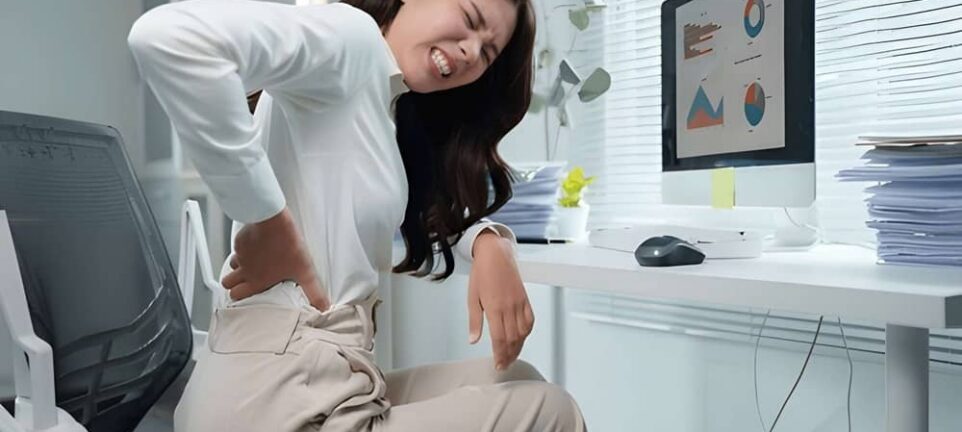
If you have an office job, chances are that a big portion of your day is spent sitting at your desk, on a computer. In fact, studies have shown that sitting at your desk all day, with bad posture creates up to 90% more pressure on your back than from standing. Who’d have thought that by just sitting you’re doing injuries to your back?
Back pain can severely impact your life. Chronic pain can be tiring, and your ability to move and function can be challenged.
Hobsons Bay Osteopathy can help with back pain treatment to get you back to feeling like a normal person again. We see many office workers for back pain therapy; however we want to educate you on what you can do at work to lessen your pain and keep your enrichment in life.
In this article, we’ll explain what are the top causes of back issues at work, exercises you can do, and equipment you can buy that will lessen the back problems for you.
There are four big health risks that affect people who are sitting too long at their desk, and back pain is a symptom of all four of them.
Long hours of sitting at your desk with very little movement places constant pressure on your lower back and hips. It increases the pressure on your discs, the spongy shock absorbers between each vertebra.
The lack of movement can also lead to muscle strain as your spine tries to support your upper body. Because you’re sitting still with little movement, and not using those core muscles, it becomes hard to support your neck and shoulders, which causes strain and hence, lower back pain.
The lack of movement, mentioned just above, from your sedentary work practices, weakens your core muscles, which support your upper body. It also weakens your glutes, which support your back. This can tighten your hip flexors, and your hamstrings, causing instability in your spine, which of course leads to back pain.
The lack of movement reduces blood flow to the muscles in your lumbar region. This increases muscle tension and fatigue, which increases the likelihood of back pain. Plus, when you do have pain, the lack of blood flow, and oxygen, slows down the healing time, meaning you’re in pain for longer.
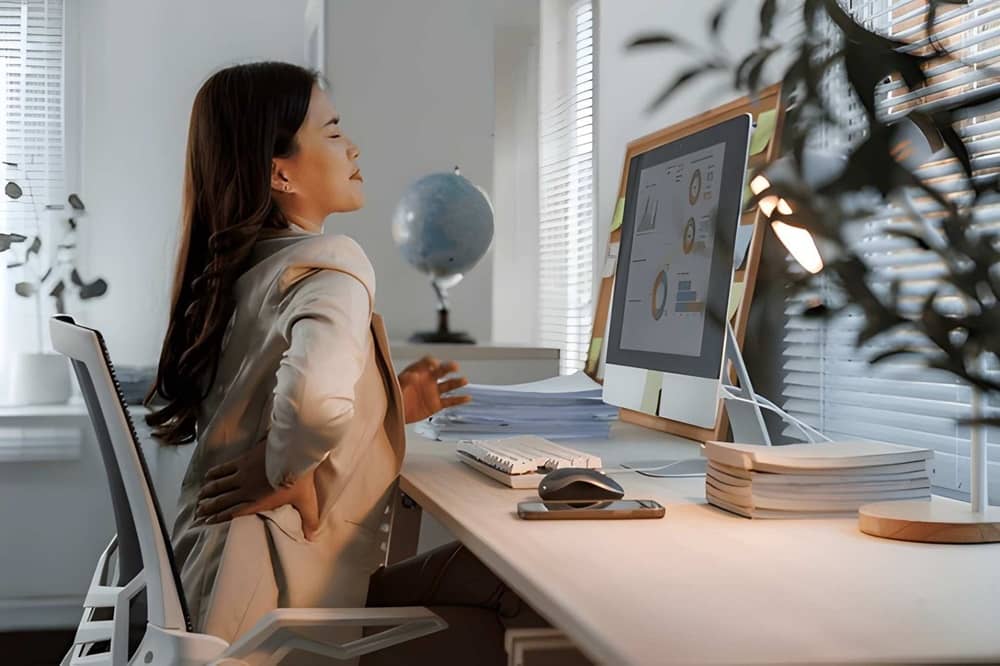
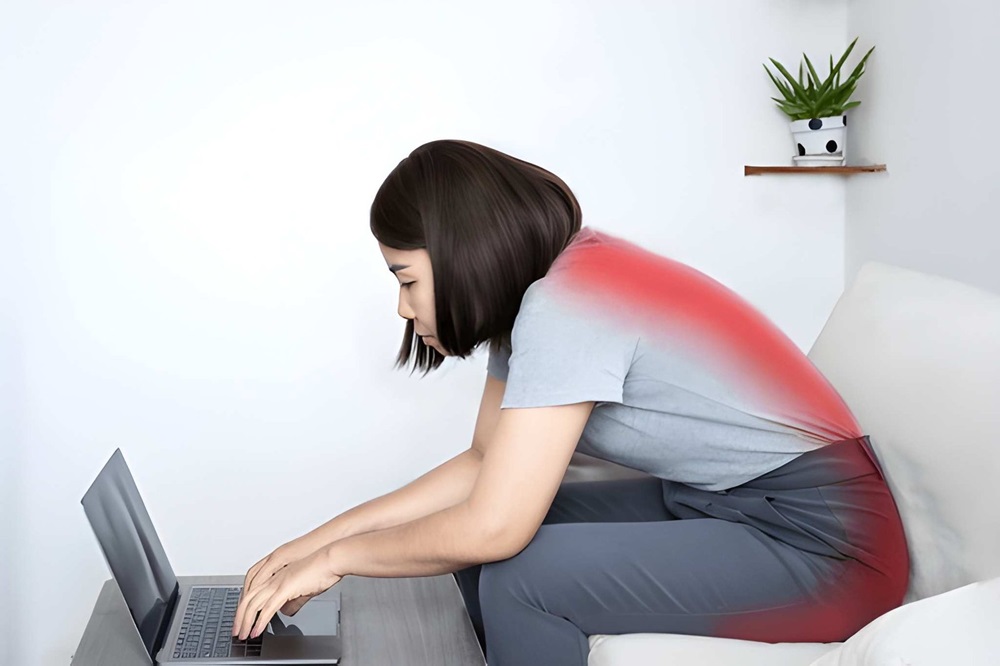
Many people sitting at their desks all day have poor posture. While you may start the day with good posture intentions, with your back straight, your shoulders back and your chin level, over the day your shoulders slump, your back curves, you slide down in your chair.
All of these actions put pressure on spinal ligaments, hurting your neck and shoulders and lower back, putting undue pressure on your spinal discs, which all lead to pain and discomfort.
These are all good reasons why office workers need back therapy. Either some solid back pain therapy in Williamstown from us, or preventative measures in the office while you work. So, what can you do?
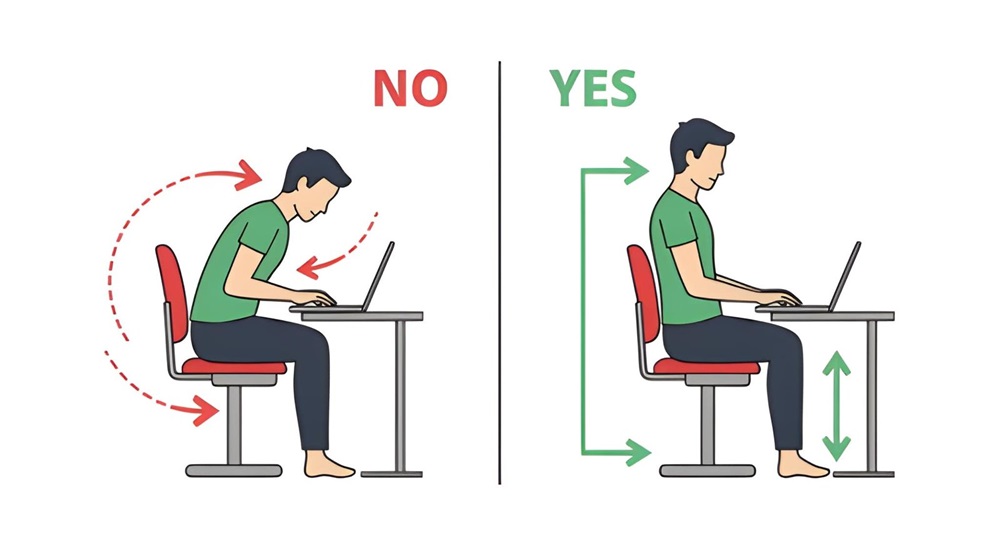
Look at your workstation. Good ergonomics means a few things:
This setup relieves pressure on your body, particularly on your lower back. It reduces strain and fatigue, and helps boost productivity.
You can do some mobility exercises at your desk to keep you moving and limber. Some of the best exercise include:
Repeat these exercises two or three times a day. Set a timer, or do them before morning and afternoon tea, and just before lunch. Easier to do before eating.
Remember to breathe. Exhale as you move IN to the stretch, and inhale as you come back out of it.
This may sound like a strange suggestion, but if you think about it, if sitting at your desk is causing problems, then doing less of it is a good thing. There are two productive ways you can sit less.
The Pomodoro Method of Work. This is a time management technique developed by Francesco Cirillo in the late 80’s. It is named after the tomato-shaped cooking timer used in kitchens. You set a timer for 25 minutes. You work for these 25 minutes without distractions. When the timer goes off, you have a 5 minute break. Use this five minutes to get up and stretch, go for a quick walk or do a dance.
Repeat this for 4 sessions. Once you have done 4, have a longer break of 15 minutes.
This method helps beat procrastination, as you have ‘permission’ to check socials and get up and move in that 5 minutes. It also helps you not stay seated for long periods of time, which helps reduce strain on your back.
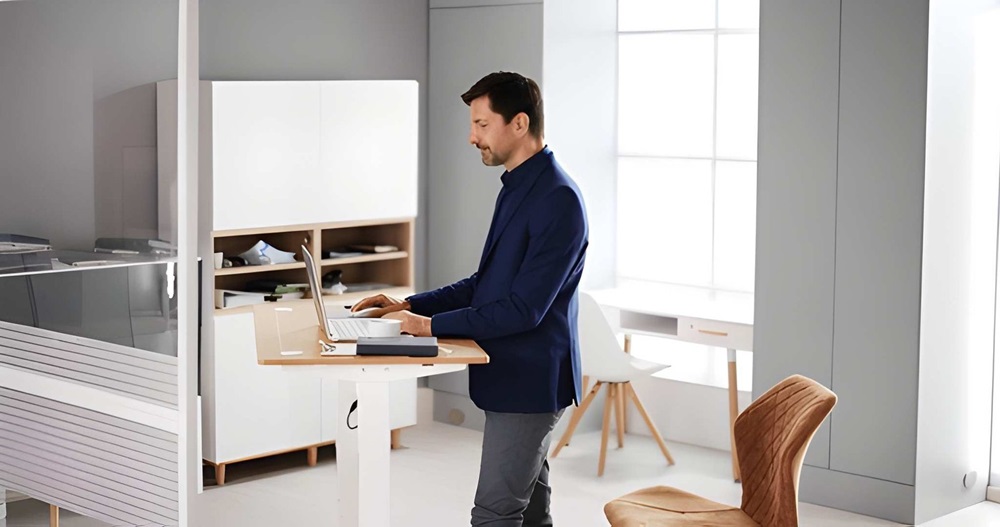
Standing Desk. A standing desk is a desk that can lift your computer up, usually through hydraulics. You continue to work but you’re standing while you type away at your computer, rather than sitting. It gives you better blood circulation, reduced sitting time which inevitably helps with posture and back related issues.
We can’t stand all day in the office. We do need to sit and work. Part of a good overall ergonomic package is a solid office chair. There are many brands out there to choose from, but the basics that you need in a good office chair that supports your back are:
The team at Hobsons Bay Osteo can help you find a good office chair to support you, and point you in the right direction for an ergonomic’s specialist.
The answer to the big question- why do you need back therapy, is quality of life. You don’t want to be in pain all day while at work, nor do you want to be on pain killers or muscle relaxants either. Not getting treatment can lead to ongoing pain and further damage to your body.
Hobsons Bay Osteopath gives you back pain therapy from Williamstown all the way down the Western Bay. We can give you back your quality of life, reduce your pain and help you with a proactive strategy to stay fit and healthy and mobile.